The signal was chosen for its Morse-code pattern
The Henry Ford
A museum curator's account explains that SOS was adopted in 1906 for ease of transmission and recognition, not as an abbreviation for a distress phrase.
Based on: The Henry Ford

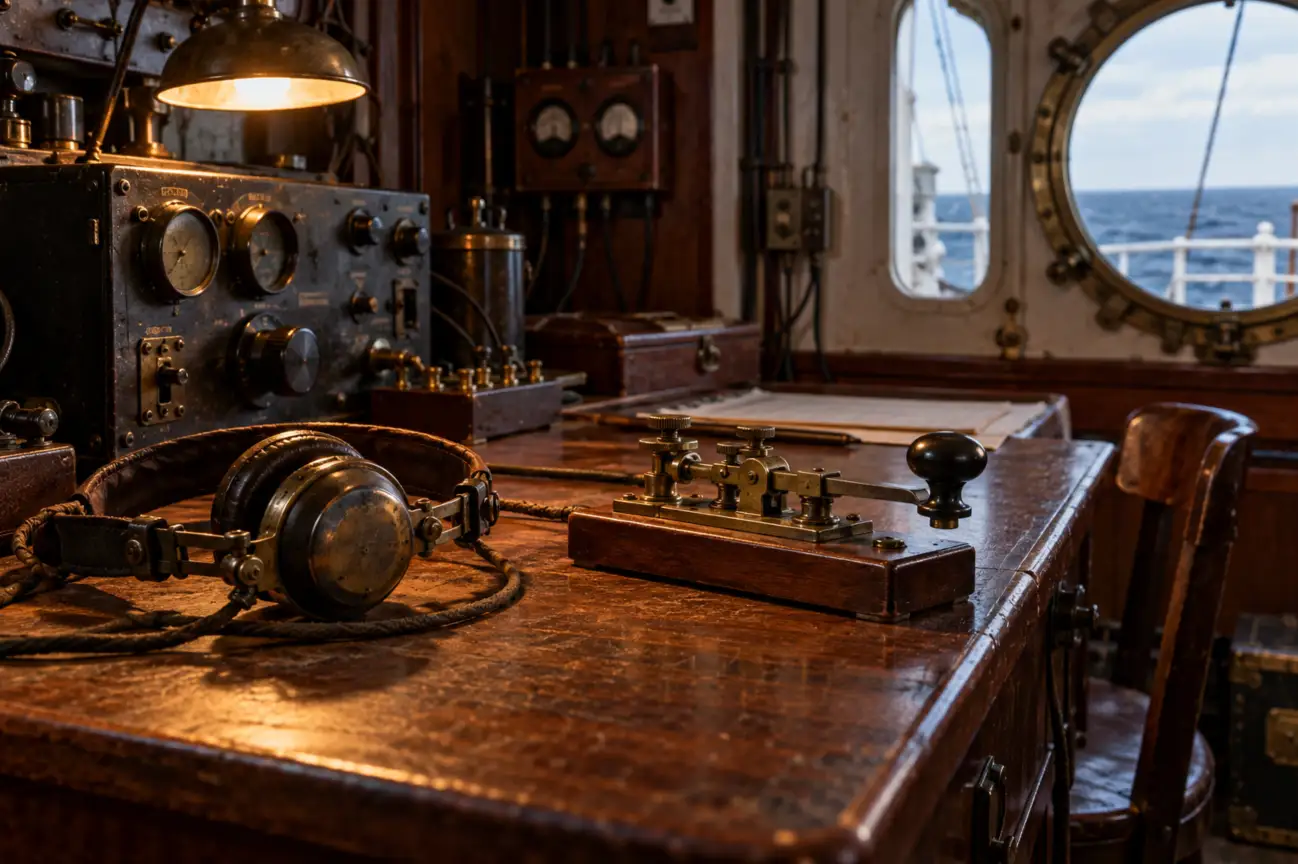
No. SOS did not originate as an abbreviation for 'Save Our Souls' or 'Save Our Ship'. It was adopted as an international distress signal because of its recognizable Morse-code pattern.
The Henry Ford museum's historical account identifies the 1906 Berlin radiotelegraphic convention and explains the choice: three dots, three dashes and three dots were easy to send and receive. The Saturday Evening Post independently confirms that the signal did not originally abbreviate a phrase.
The familiar English phrases are later ways of interpreting the letters. They should not be confused with the signal's origin: a distinctive sequence transmitted continuously, without the normal gaps between separate Morse-code letters.
SOS began as a recognizable distress signal, not the initials of an English plea for help.
The Henry Ford
A museum curator's account explains that SOS was adopted in 1906 for ease of transmission and recognition, not as an abbreviation for a distress phrase.
Based on: The Henry Ford
The Saturday Evening Post
The publication's language-history column explicitly rejects 'Save Our Souls' and 'Save Our Ship' as the signal's original expansion and describes its continuous transmission.
Based on: The Saturday Evening Post
Was this check helpful?
Sign in required
Sign in required

Yes. Its original operating arrangement ran until 1909. Scientific experiments and wireless communications helped secure its survival.
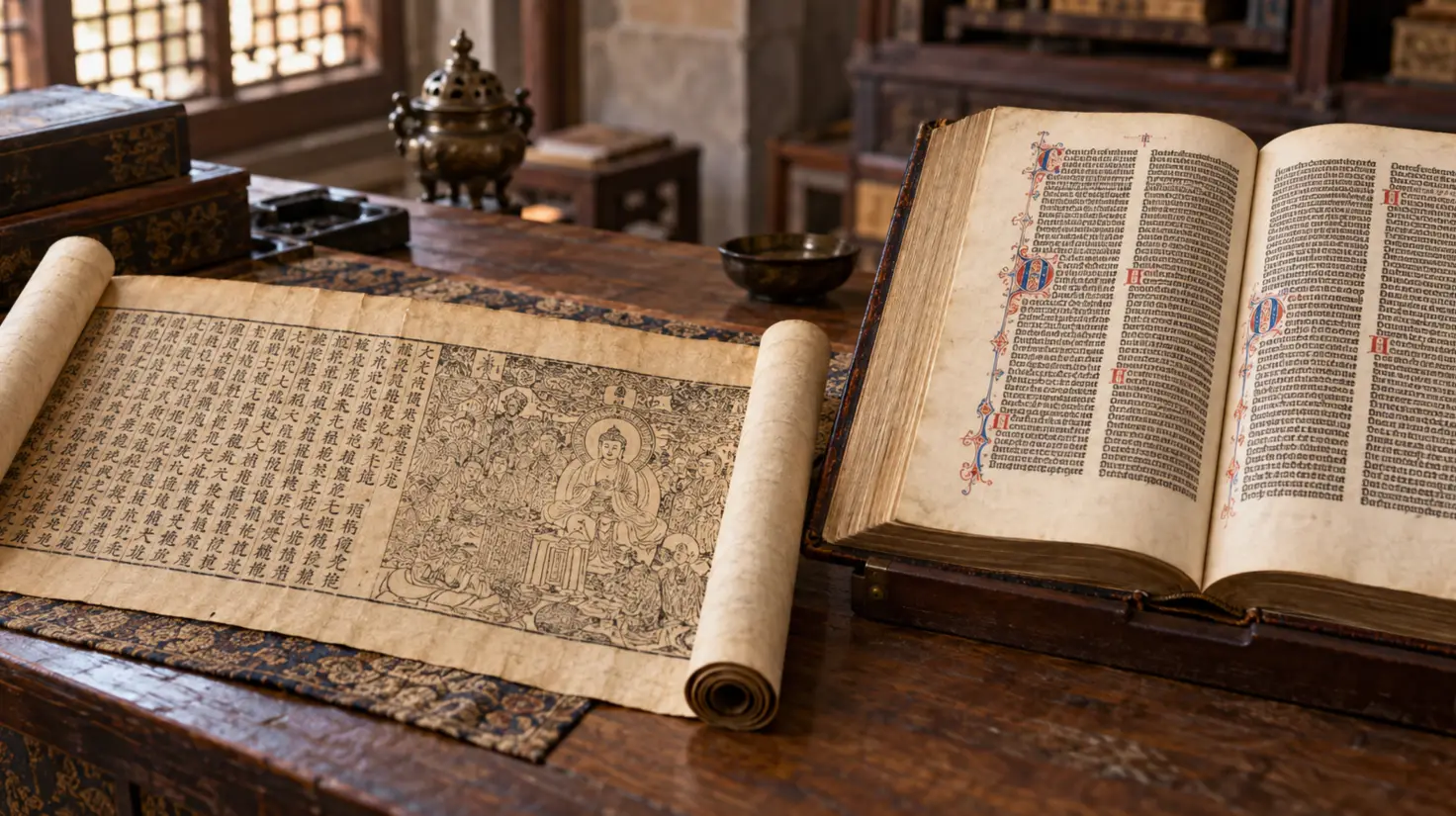
No. The Chinese Diamond Sutra scroll dated 868 predates it by centuries. Gutenberg's Bible was a landmark in European printing with movable metal type.

No. Battle armor allowed enough movement to mount a horse. A helper or mounting step could assist, but a crane was not required.