Trooday
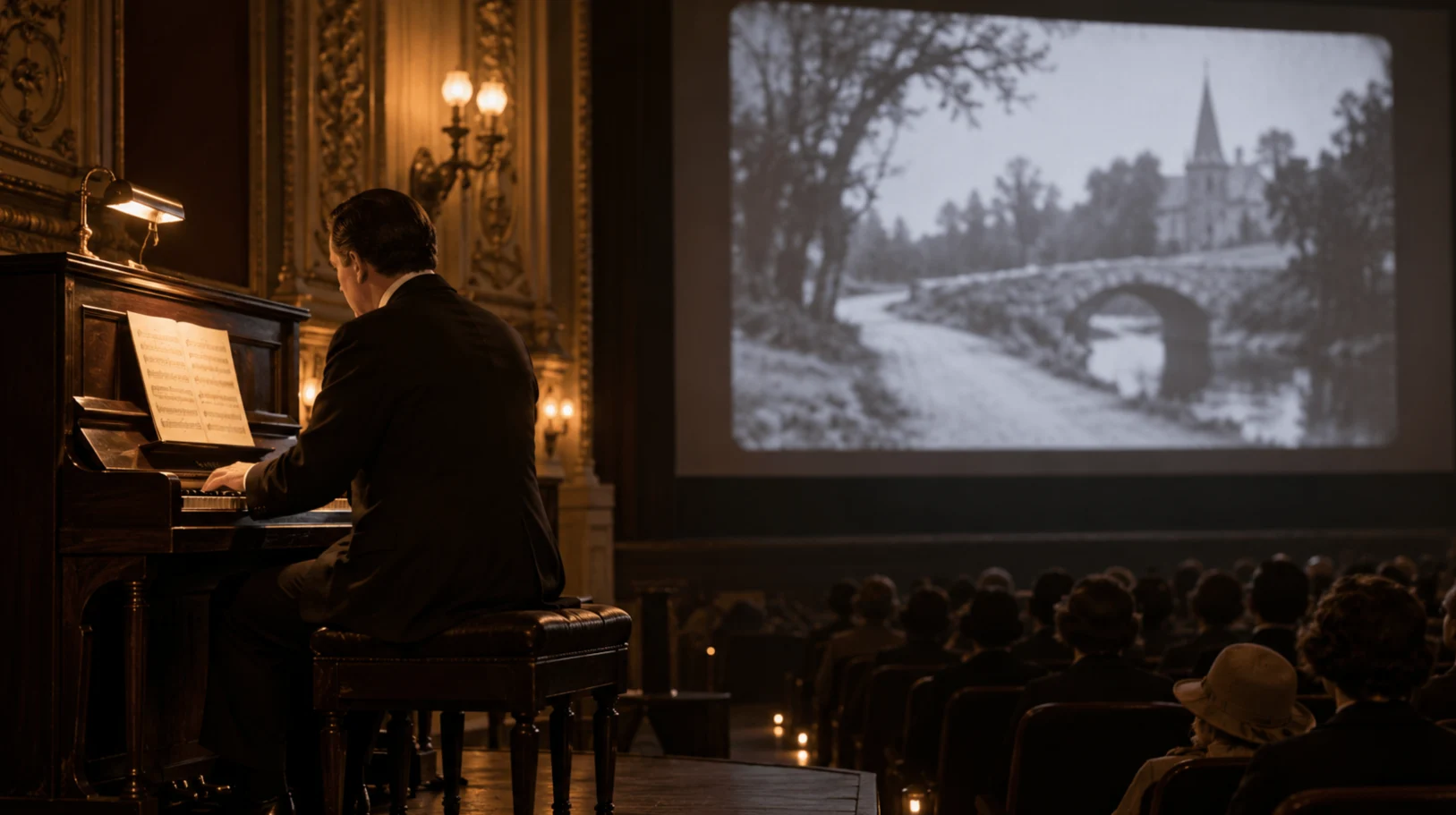
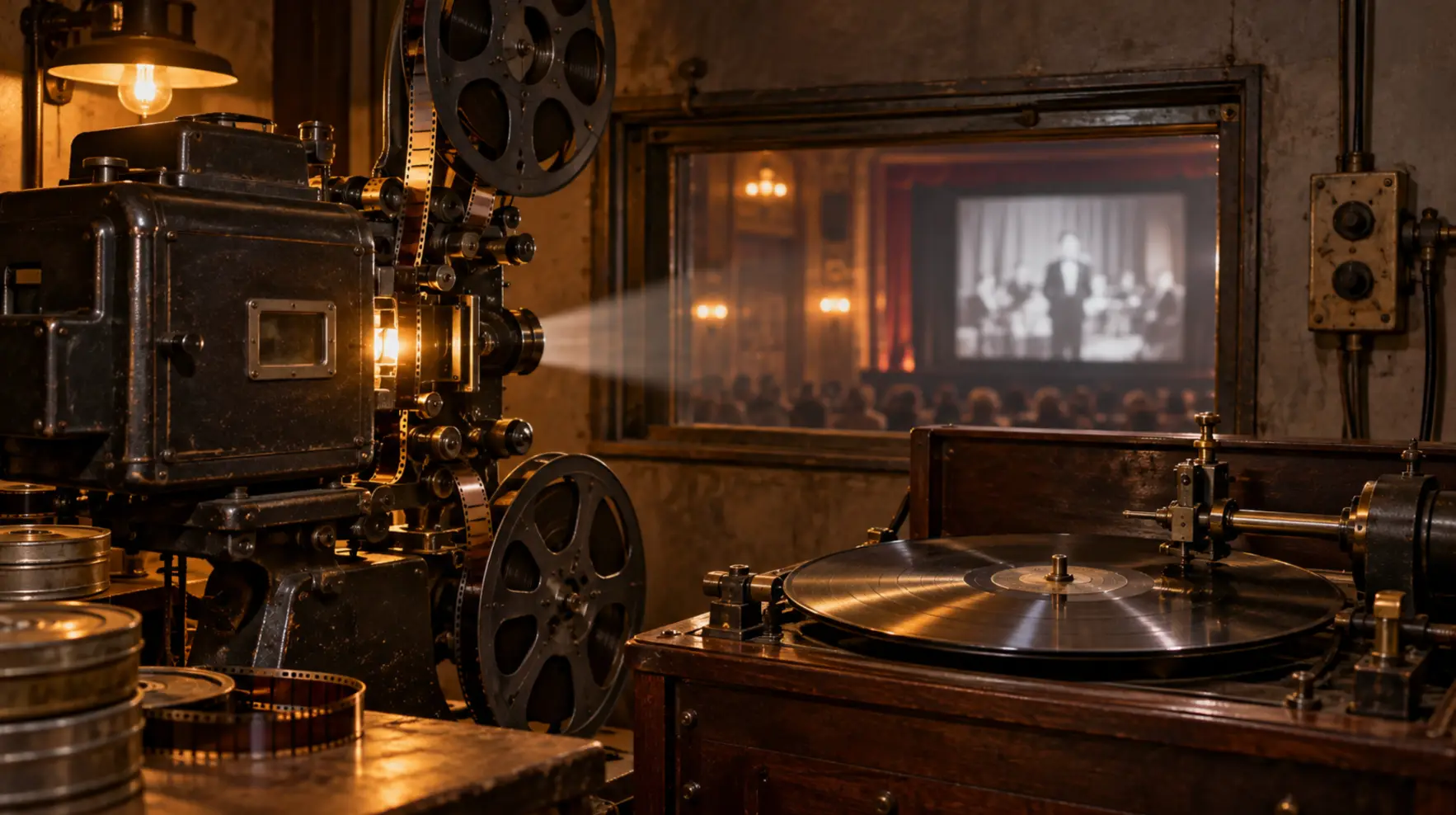
A 1920s-style film projector beside audio discs and reels of film.
Entertainment

Was the 1927 version of The Jazz Singer an all-talking film?

Published

Verdict
False
Verification confidenceHigh

Explanation

No. The 1927 version of The Jazz Singer was a part-talking film, combining silent-film storytelling with recorded musical performances and limited spoken dialogue.

The American Film Institute's catalogue classifies its physical format as silent with sound sequences. Independently, the British Film Institute describes it as largely silent, with musical sequences and brief passages of speech.

The distinction is between containing synchronized speech and being an all-talking production. The Jazz Singer helped accelerate cinema's transition to sound, but that historical impact does not make it a film with spoken dialogue throughout.

Key takeaway

The Jazz Singer helped popularize talking pictures while still retaining much of the silent-film format.

Evidence

AFI records a mixed silent-and-sound format

American Film Institute

Contradicts the claim

The catalogue's physical-properties record identifies the film as silent with sound sequences, including talking passages, a musical score and sound effects supplied through Vitaphone.

Based on: American Film Institute

BFI distinguishes the film from all-talking productions

British Film Institute

Contradicts the claim

BFI describes The Jazz Singer as largely silent, with musical sequences and brief improvised dialogue, rather than an all-talking film.

Based on: British Film Institute

Was this check helpful?

Sign in required

Sign in required

How we check claims

Related checks