Ultraviolet radiation causes skin cancer
World Health Organization
WHO identifies ultraviolet radiation as carcinogenic and as the primary cause of most skin cancers.
Based on: World Health Organization

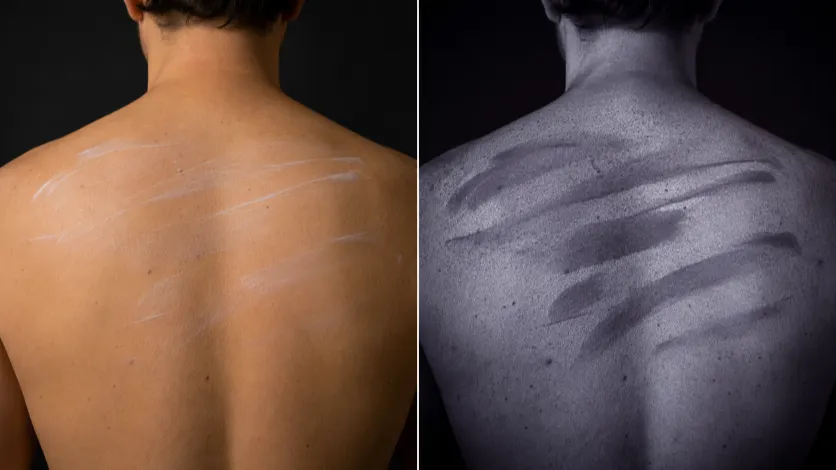
Evidence does not show that regulated sunscreen used as directed causes skin cancer. Ultraviolet radiation from the sun and artificial tanning devices is an established cause of skin cancer, while sunscreen is intended to reduce the amount of that radiation reaching the skin.
In a randomized Australian trial, daily sunscreen use produced no harmful increase in skin cancer and reduced the number of squamous-cell carcinomas. Follow-up of the same trial found fewer melanomas among participants assigned to daily sunscreen, although the overall melanoma estimate was based on a small number of cases.
Some observational studies have reported inconsistent associations because people at greatest risk or with the most sun exposure may also use sunscreen more frequently. Regulators are still requesting additional safety data for some absorbed ingredients, and particular contaminated products have been recalled, but these limitations do not demonstrate that sunscreen itself causes skin cancer.
Sunscreen has not been shown to cause skin cancer; it helps reduce UV exposure when used correctly with other sun-protection measures.
World Health Organization
WHO identifies ultraviolet radiation as carcinogenic and as the primary cause of most skin cancers.
Based on: World Health Organization
Nambour Skin Cancer Prevention Trial researchers
Daily sunscreen caused no harmful increase in skin cancer and reduced the number of squamous-cell carcinomas.
Based on: The Lancet; abstract hosted by PubMed
Queensland Institute of Medical Research researchers
The randomized trial follow-up identified fewer primary melanomas among participants assigned to daily sunscreen use.
Based on: Journal of Clinical Oncology; abstract hosted by PubMed
U.S. Food and Drug Administration
The FDA recognizes sunscreen's benefits while requesting more safety data for some ingredients and warning against specifically recalled products.
Based on: U.S. Food and Drug Administration
Norwegian Institute of Public Health and Oslo University Hospital researchers
A 2025 review found heterogeneous observational results and identified the randomized trial as the strongest evidence.
Based on: Acta Dermato-Venereologica; full text hosted by PubMed Central
Was this check helpful?
Sign in required
Sign in required