Earlier isolated adult footprints were already known
National Geographic
The report identifies previously known isolated adult T. rex footprints in New Mexico and Montana, distinguishing them from the new trackway.
Based on: National Geographic

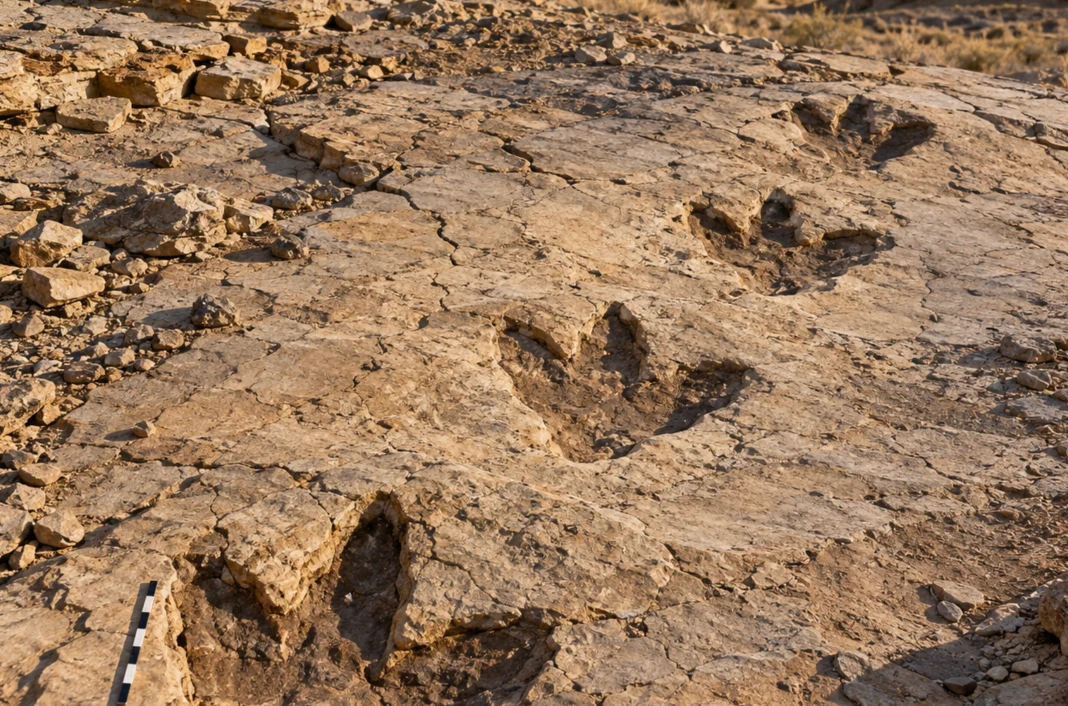
No. The North Dakota discovery is reported as the first adult T. rex trackway, not the first individual footprints. A trackway preserves a sequence of steps rather than a single isolated mark.
The Denver Museum of Nature & Science says the trackway was found in 2025. National Geographic's September 8, 2026 report explains that isolated adult T. rex footprints had already been identified in New Mexico and Montana.
A sequence can reveal movement that an isolated footprint cannot. However, identifying the animal that made fossil tracks involves interpretation. The sources also differ on the number of tracks, so this check does not establish that count.
The milestone concerns an adult T. rex trackway. Individual footprints were already known.
National Geographic
The report identifies previously known isolated adult T. rex footprints in New Mexico and Montana, distinguishing them from the new trackway.
Based on: National Geographic
Denver Museum of Nature & Science
The museum describes the discovery as the first adult T. rex trackway and dates the field discovery to 2025.
Based on: Denver Museum of Nature & Science
Denver Museum of Nature & Science and National Geographic
The museum describes four footprints, while National Geographic describes five. This discrepancy limits conclusions about the count without changing the distinction between isolated prints and a trackway.
Based on: Denver Museum of Nature & Science
Was this check helpful?
Sign in required
Sign in required
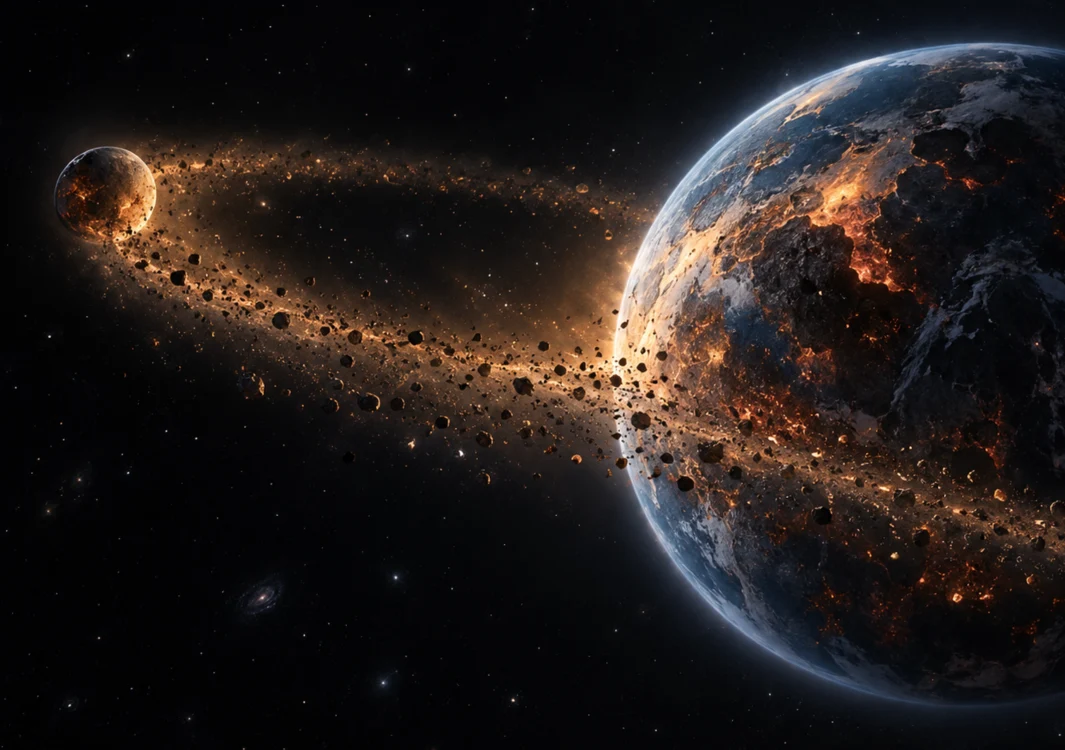
No. Five hours is a possible outcome under particular simulated conditions, not a confirmed measurement of how long the Moon actually took to form.

No. Water absorbs red light more strongly, giving it an intrinsic blue tint. The ocean's colour is not simply a reflection of the sky.
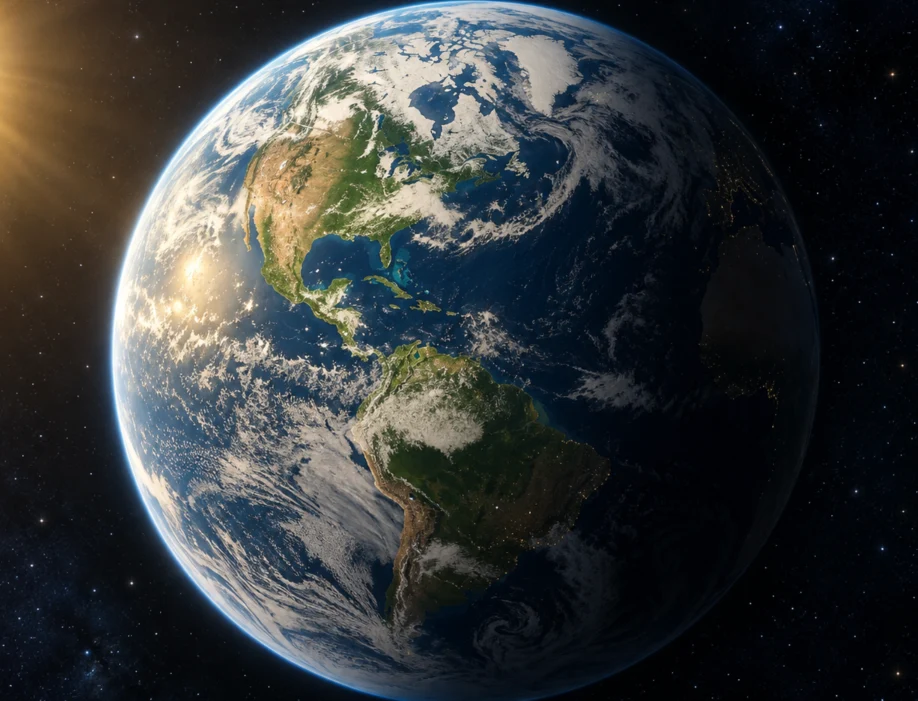
No. Earth's axial tilt is the main cause of the seasons. It changes how directly sunlight reaches each hemisphere as Earth orbits the Sun.