A spacecraft photographed the illuminated far side
NASA Earth Observatory
DSCOVR's EPIC camera captured the sunlit far side of the Moon passing in front of Earth on July 16, 2015.
Based on: NASA Earth Observatory


No. The Moon's far side receives sunlight. It is called the far side because it faces away from Earth, not because it stays in darkness. Like the near side, it experiences daylight and night.
NASA's DSCOVR spacecraft photographed the illuminated far side in July 2015. Royal Museums Greenwich explains that the Moon rotates at the same rate as it orbits Earth, keeping roughly the same face toward us while sunlight moves across its surface.
Some deep craters near the lunar poles contain permanently shadowed areas. Those localized shadows are different from an entire hemisphere being dark. The useful distinction is between the near and far sides, which describe our viewpoint, and day and night, which describe illumination.
The Moon's far side is hidden from our usual view, not from sunlight. Permanent darkness occurs in specific shadowed areas, not across the whole far side.
NASA Earth Observatory
DSCOVR's EPIC camera captured the sunlit far side of the Moon passing in front of Earth on July 16, 2015.
Based on: NASA Earth Observatory
Royal Museums Greenwich
The museum explains why the same lunar face points toward Earth and states that lunar daylight and night each last about two weeks.
Based on: Royal Museums Greenwich
NASA
Deep craters near the Moon's poles contain permanently shadowed regions. These do not constitute a permanently dark hemisphere.
Based on: NASA
Was this check helpful?
Sign in required
Sign in required
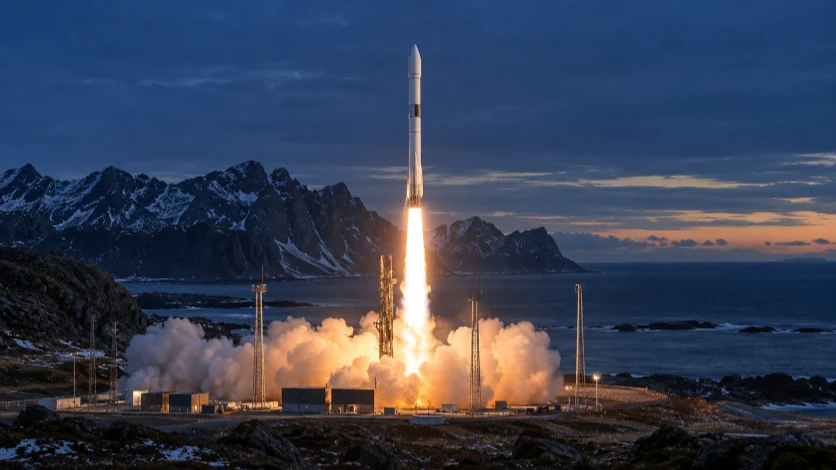
Yes. Spectrum reached orbit after launching from Norway on September 5, and Isar Aerospace reported successful payload deployment.
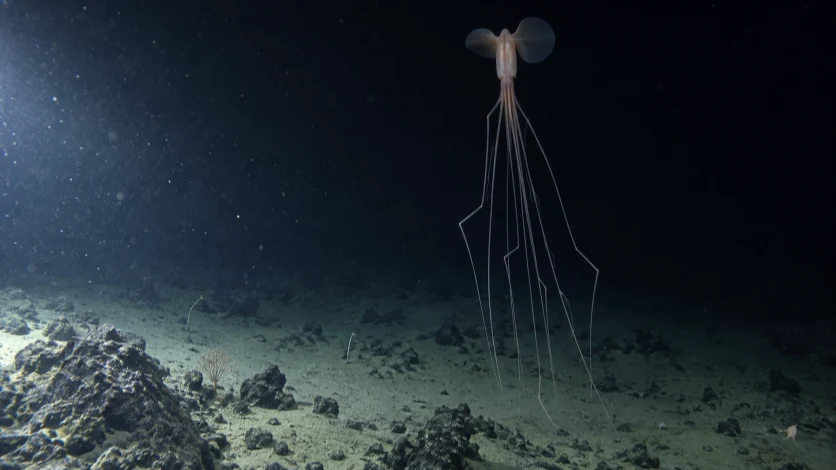
No. MBARI identifies a first confirmed live sighting in the northeastern Pacific. Its researchers had already observed a bigfin squid near Hawaii in 2001.
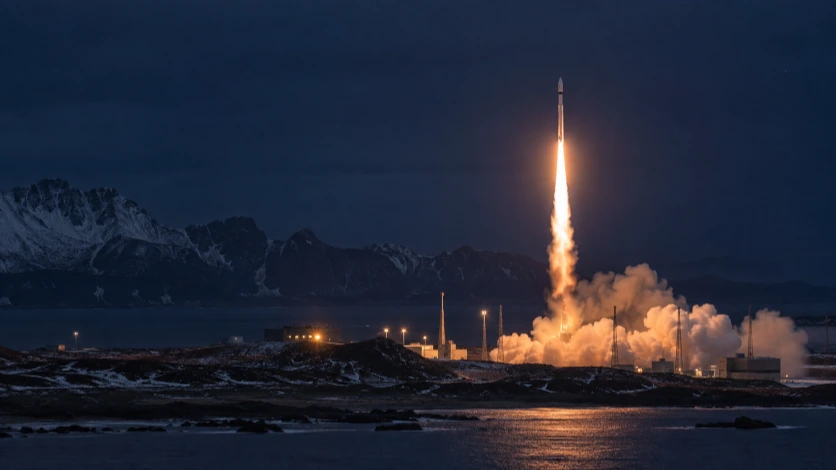
Yes. Spectrum reached orbit from Norway on September 5, 2026. The record applies to Western Europe; orbital launches already occurred in European Russia.