Water with meals does not impair digestion
Mayo Clinic
Mayo Clinic directly addresses drinking during or after meals and states that water does not cause digestive problems or harmfully dilute digestive fluids.
Based on: Mayo Clinic

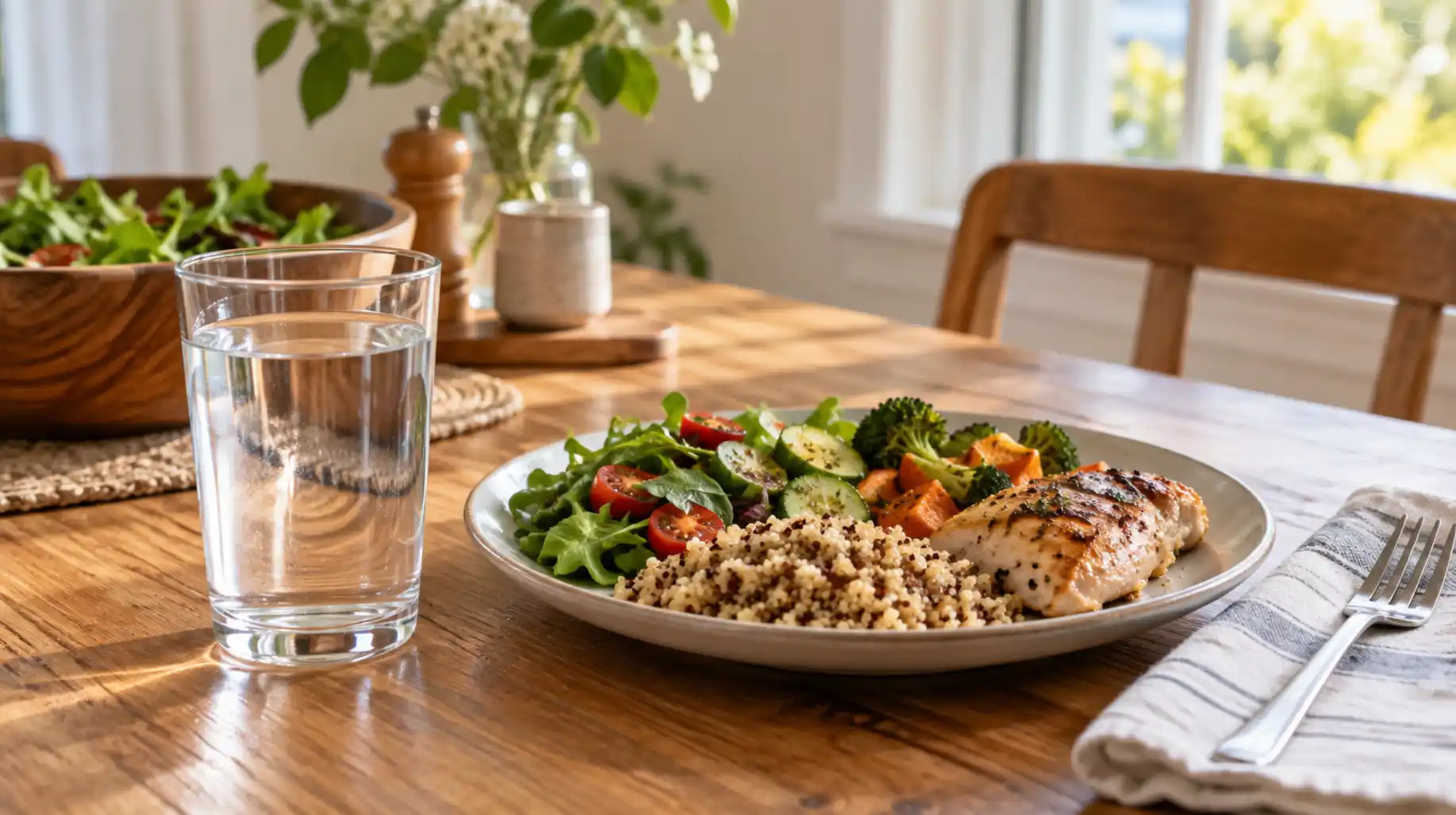
No. Drinking water while eating is not generally harmful. Mayo Clinic explicitly states that water during or after a meal does not interfere with digestion or dilute digestive fluids in a harmful way.
Water is part of normal digestive function. The National Institute of Diabetes and Digestive and Kidney Diseases explains that the stomach mixes food and liquid with digestive juices, while the intestines move and absorb water during digestion.
This conclusion concerns ordinary drinking with meals, not unlimited quantities or every medical situation. Some conditions require individualized fluid limits, and drinks can increase fullness. Those qualifications do not support a general rule that water becomes harmful when consumed with food.
Drinking water with meals does not generally disrupt digestion.
Mayo Clinic
Mayo Clinic directly addresses drinking during or after meals and states that water does not cause digestive problems or harmfully dilute digestive fluids.
Based on: Mayo Clinic
National Institute of Diabetes and Digestive and Kidney Diseases
The stomach mixes food and liquid with digestive juices. Water also enters the small intestine to assist food breakdown and is absorbed through the intestines.
Based on: National Institute of Diabetes and Digestive and Kidney Diseases
Mayo Clinic
Some heart, kidney or liver conditions can require fluid limits. Water can also increase fullness, but neither point establishes that drinking with meals is generally harmful.
Based on: Mayo Clinic
Was this check helpful?
Sign in required
Sign in required

Local honey has no established benefit for allergy symptoms. Small studies of different honeys have produced mixed results, without proving that local honey works.
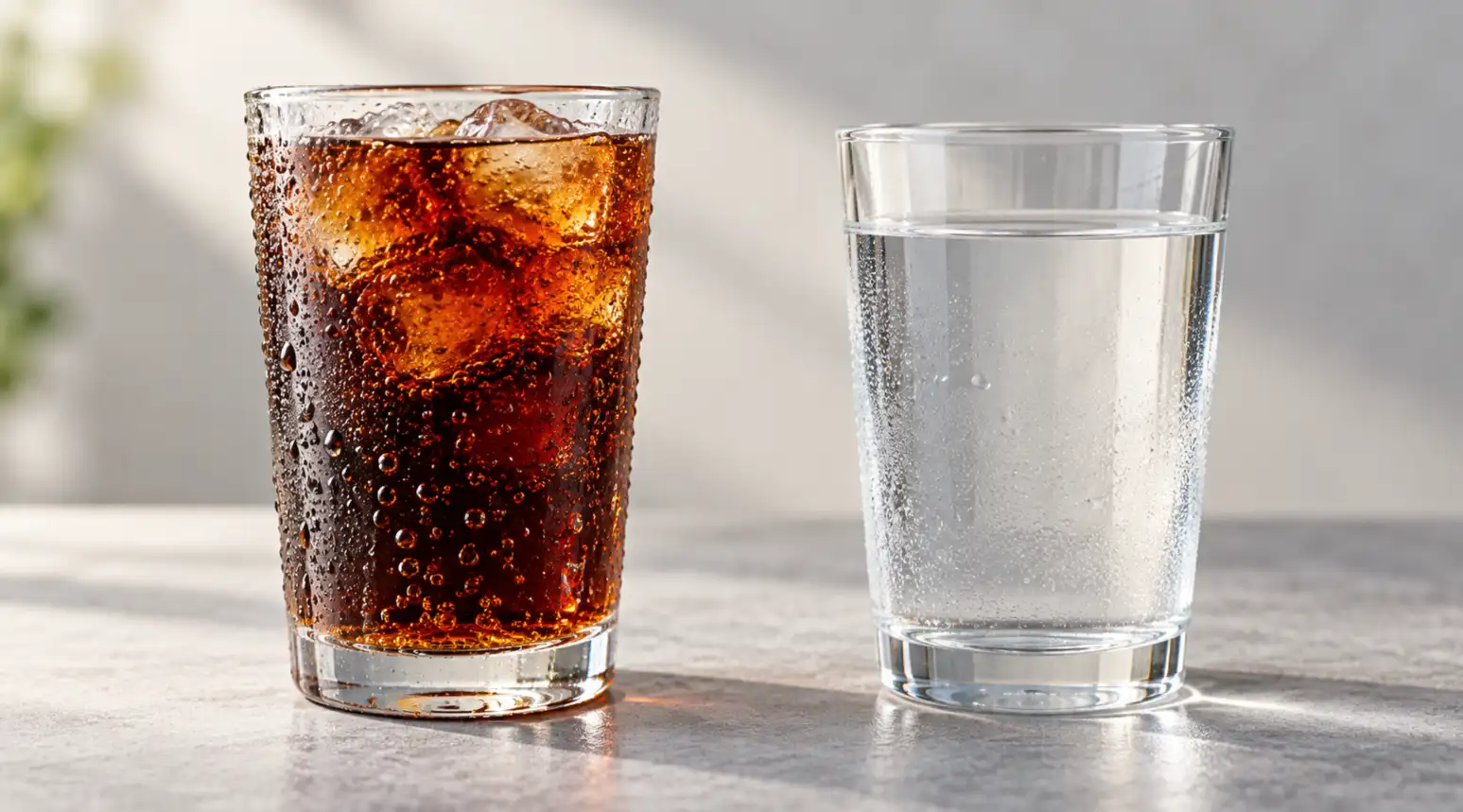
The broad claim is not established. Cola can contribute to hydration, and carbonation can reduce short-term thirst, but these findings do not settle every soda's effect.

Eligible residents receive covered hospital and physician services without direct charges. Taxes fund the system, and many other services may require payment or additional insurance.