Brazil belongs to the upper-middle-income group
World Bank
The current country classification lists Brazil among upper-middle-income economies. This is a defined income category, unlike the third-world label.
Based on: World Bank

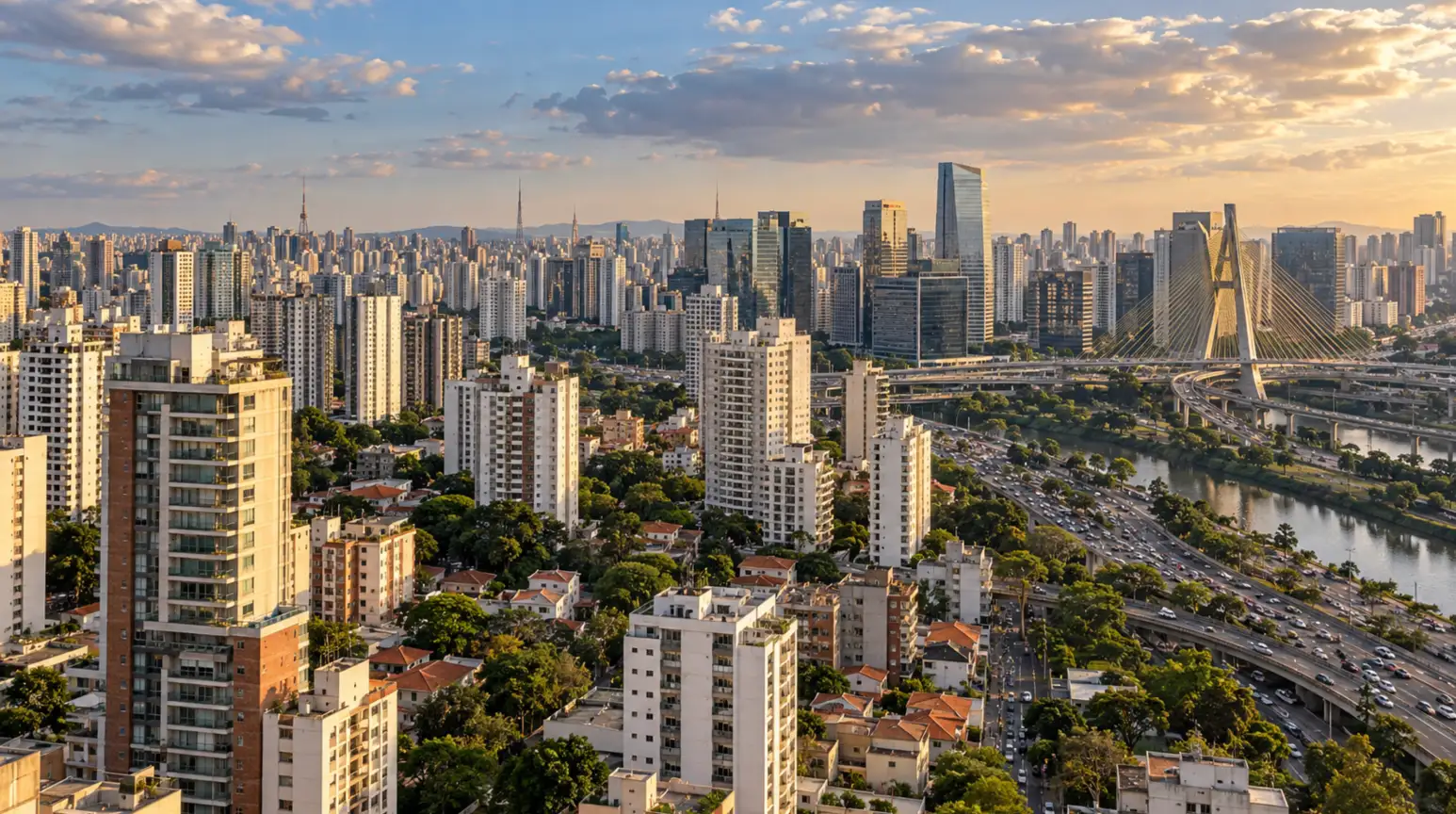
Calling Brazil a third-world country is misleading as a description of its present economic classification. The World Bank places Brazil in its upper-middle-income group, rather than a category called third world.
The expression belongs to an older framework associated with Cold War political divisions and poorer countries in Africa, Asia and Latin America. Getty's geographic thesaurus describes it as a formerly used term. This historical vocabulary is not equivalent to today's income classifications.
Brazil's income category does not measure every aspect of development or describe every household's circumstances. World Bank researchers caution that broad labels conceal major differences between countries. A specific indicator or classification is more informative than treating third world as a precise contemporary status.
Brazil is classified as an upper-middle-income economy; third world is an outdated and imprecise description.
World Bank
The current country classification lists Brazil among upper-middle-income economies. This is a defined income category, unlike the third-world label.
Based on: World Bank
Getty Research Institute
Getty describes third world as a formerly used term for poorer countries outside the Communist and non-Communist blocs, rather than a current standardized income category.
Based on: Getty Research Institute
World Bank Data Blog
World Bank researchers argue that broad country labels obscure substantial differences and propose more specific groupings, including the four income categories.
Based on: World Bank
Was this check helpful?
Sign in required
Sign in required

No. GDP measures economic output. Growth alone does not show who benefits or whether health, environmental conditions and other aspects of well-being improve.

No. It rises by 1 percentage point. Relative to the original 4% rate, that is a 25% increase.

Yes. Profit and available cash measure different things. Sales may count toward profit before customers pay, while bills still come due.