Trooday
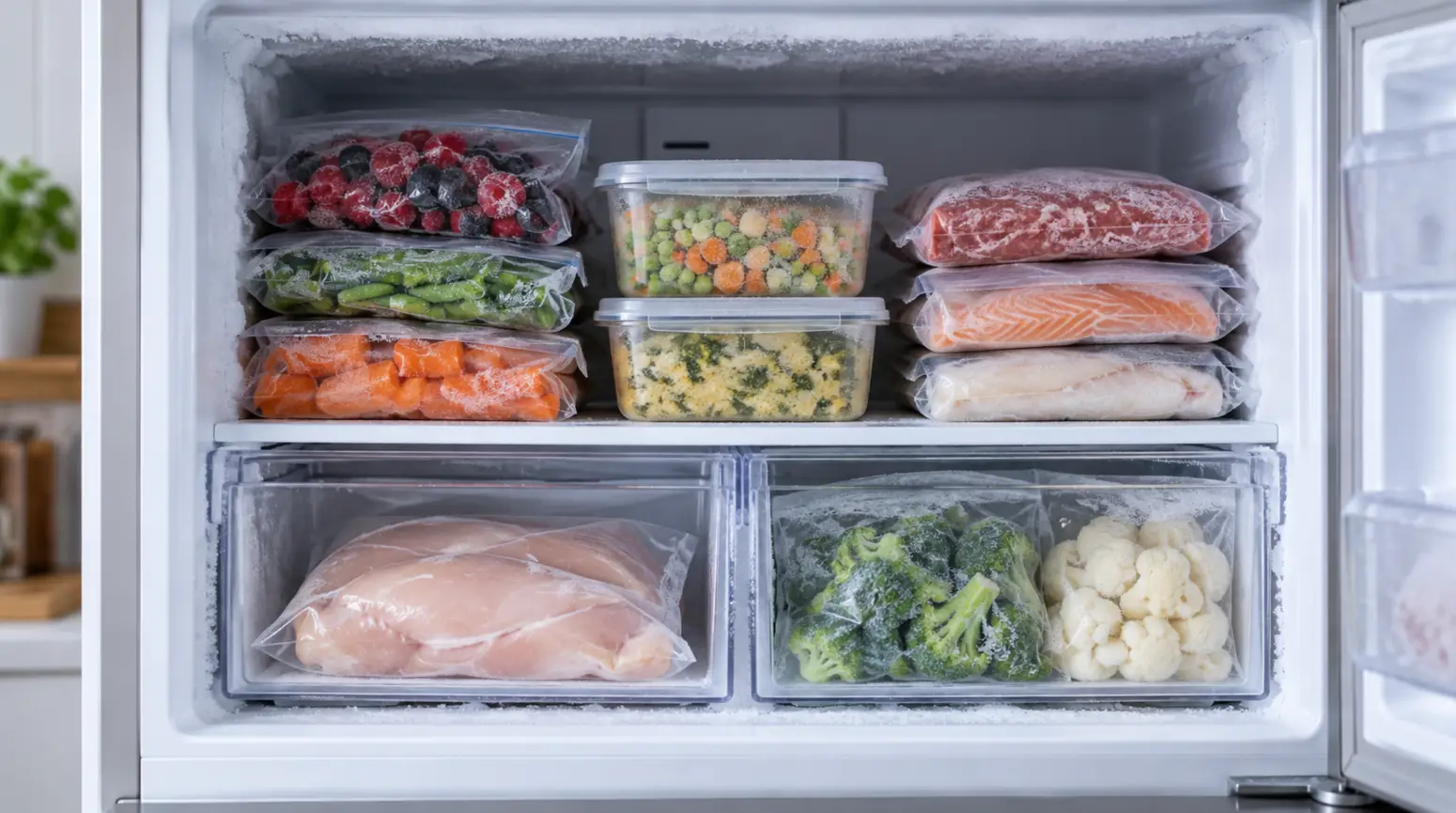
Sealed packages of food, including separately wrapped raw chicken, inside a household freezer.
Lifestyle

Does freezing food at home kill all harmful bacteria?

Published

Verdict
False
Verification confidenceHigh

Explanation

No. Freezing food at home does not reliably kill all harmful bacteria. It can pause their growth while the food remains frozen, but surviving bacteria can become a concern again as food thaws.

A Food Standards Agency review explains that some microorganisms die during freezing while many survive for long periods. Health Canada independently warns that bacteria present before freezing can begin multiplying when food is thawed improperly.

The effect of freezing varies with the organism and the food, so reducing bacterial numbers is not the same as eliminating contamination. Freezing is a preservation method, not a replacement for safe handling or adequate cooking of foods that require it.

Key takeaway

Frozen does not mean bacteria-free. Preventing growth during storage and killing harmful bacteria are different processes.

Evidence

Bacteria can survive freezing

Food Standards Agency

Contradicts the claim

The strategic review describes freezing as pausing bacterial growth and toxin production. Although freezing kills some microorganisms, many can survive for long periods.

Based on: Food Standards Agency

Surviving bacteria can multiply during improper thawing

Health Canada

Contradicts the claim

Health Canada warns that bacteria present on food before freezing can multiply if thawing is improper. This directly contradicts the idea that freezing eliminates all harmful bacteria.

Based on: Health Canada

Was this check helpful?

Sign in required

Sign in required

How we check claims