The one-child policy ended in 2016
Brookings Institution
The analysis states that all Chinese couples were allowed two children from January 1, 2016, marking the end of the one-child policy.
Based on: Brookings Institution


No. China's one-child policy is no longer in force. It was replaced by a policy allowing all married couples to have two children from January 1, 2016, followed by a three-child policy in 2021.
A Brookings analysis documents the 2016 transition. China's government portal subsequently reported the 2021 decision allowing three children, and the UK Home Office's June 2025 country report confirms that the corresponding legal amendment took effect on August 20, 2021.
Ending the one-child policy did not initially mean ending all family-planning rules. The 2021 changes also removed social maintenance fees and related penalties for births exceeding the policy. The historical one-child policy should therefore not be presented as China's current national rule.
China ended its one-child policy in 2016 and adopted a three-child policy in 2021.
Brookings Institution
The analysis states that all Chinese couples were allowed two children from January 1, 2016, marking the end of the one-child policy.
Based on: Brookings Institution
State Council of the People's Republic of China
The government portal reported a decision allowing couples to have three children, directly contradicting the claim that a one-child policy remained the national rule.
Based on: State Council of the People's Republic of China / Xinhua
UK Home Office
The June 2025 report confirms the August 20, 2021 legal amendment and explains that social maintenance fees and related penalties for exceeding birth restrictions were removed.
Based on: UK Home Office
Was this check helpful?
Sign in required
Sign in required

Yes. Fascism belongs to the far right and shares important features with its broader political family. That does not make every far-right movement fascist.
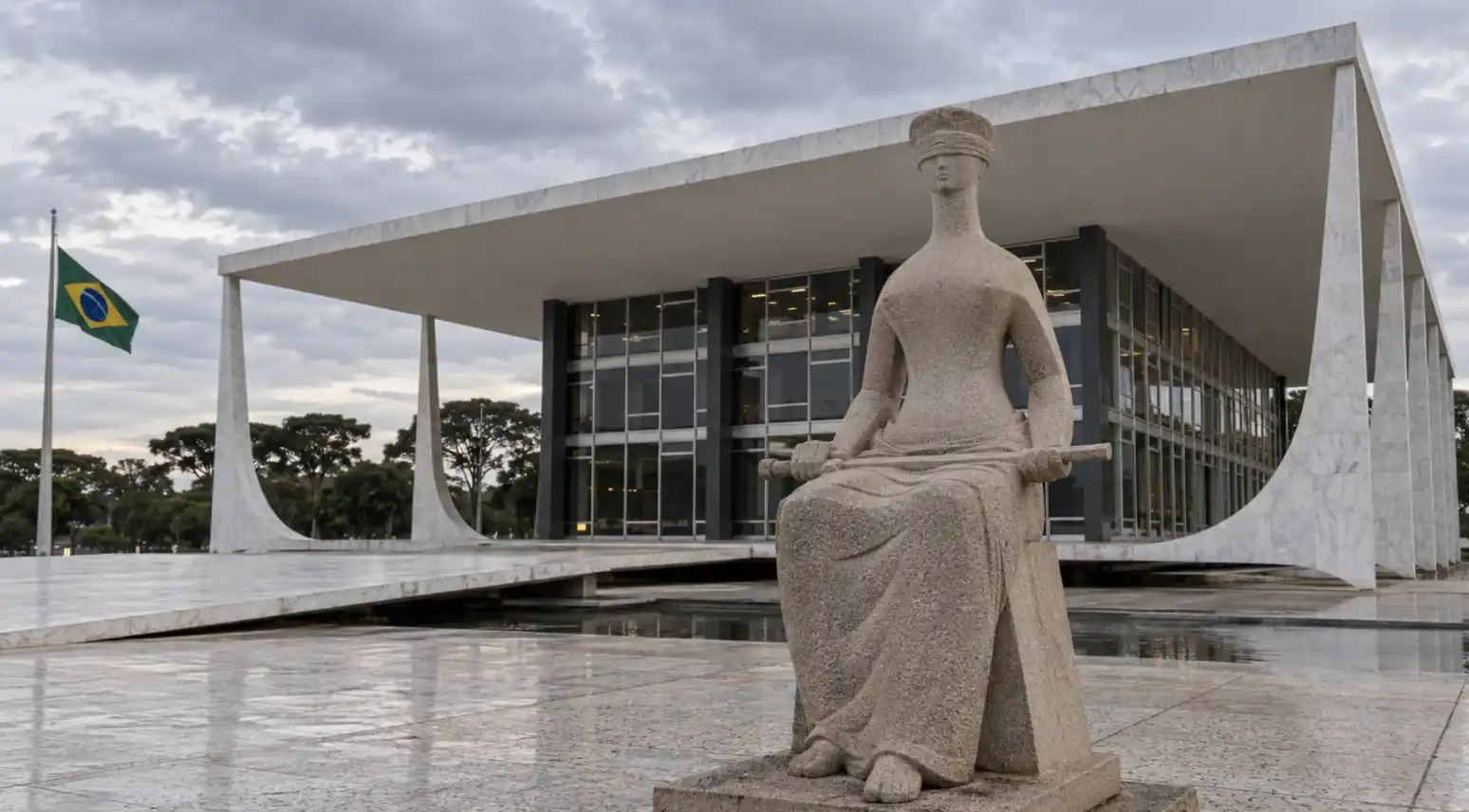
Brazil’s Supreme Court convicted Bolsonaro and close allies over a coup attempt. The finding concerns specific participants, not everyone in his government.
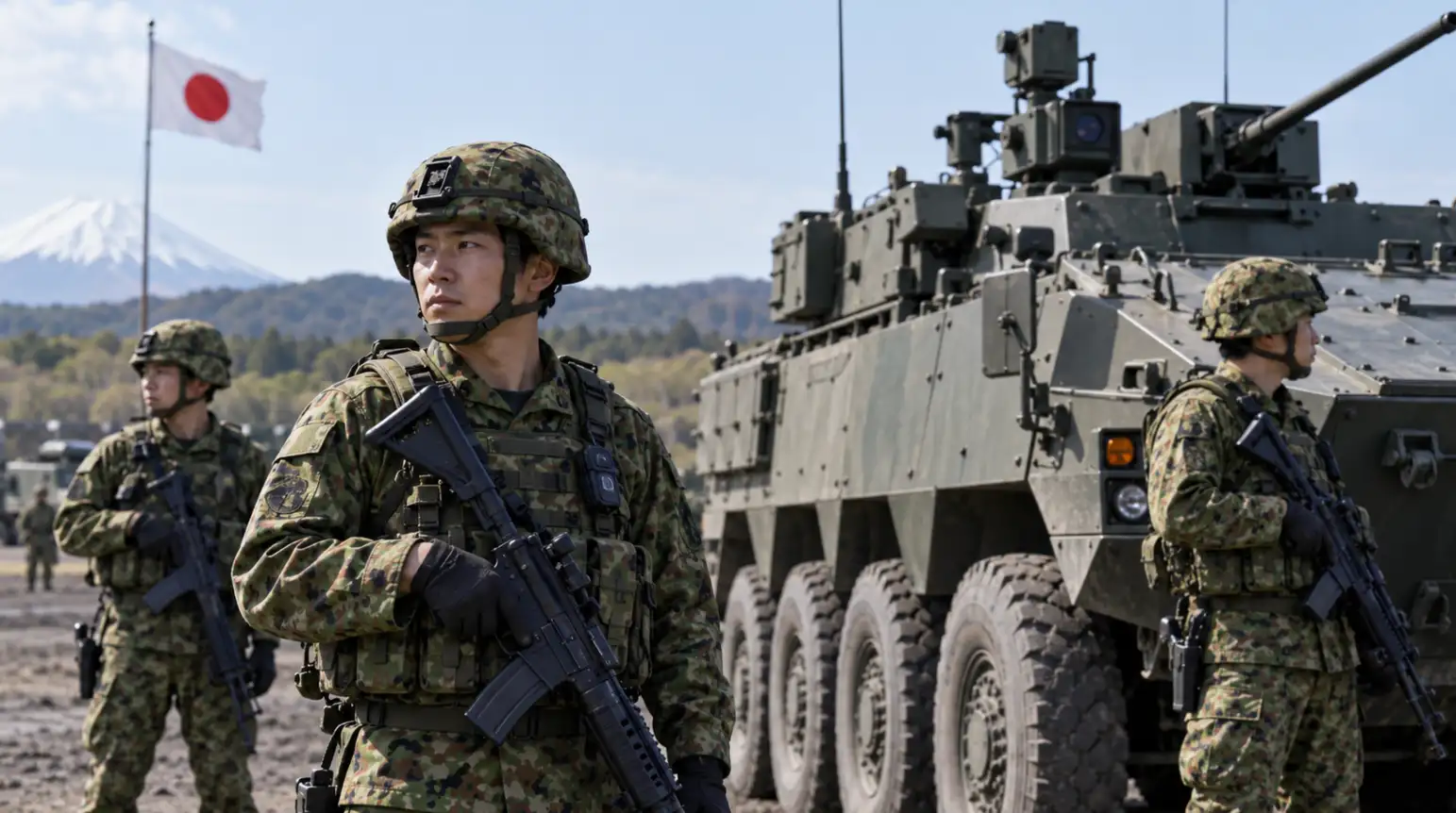
Japan maintains armed Self-Defense Forces. Its constitution restricts military power and the use of force, but that does not mean the country has no military.