Photographs do not show the perceived enlargement
NASA
Comparisons using unchanged camera zoom show essentially the same lunar width. Refraction can slightly flatten the Moon near the horizon.
Based on: NASA

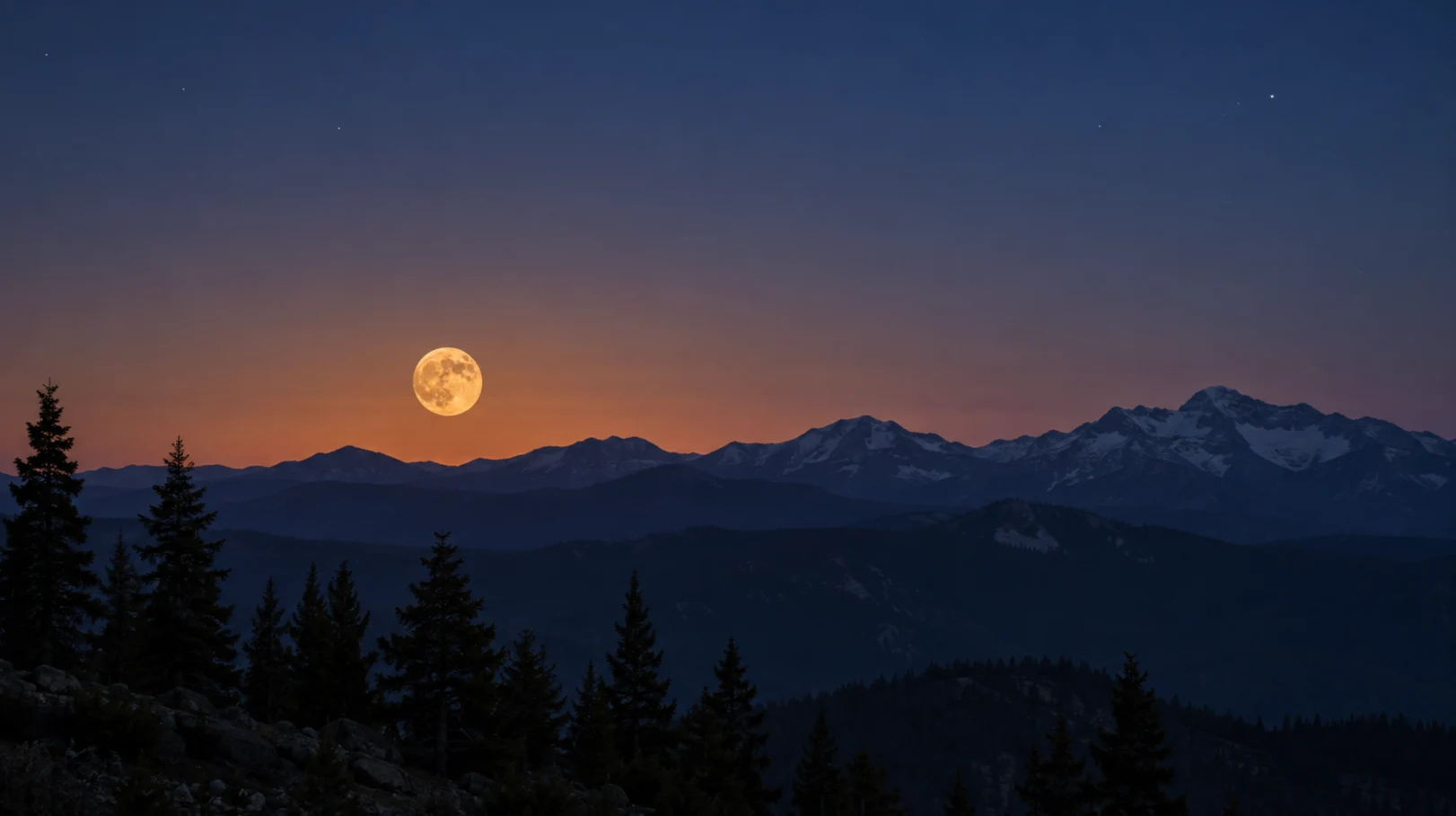
No. The Moon's striking enlargement near the horizon is a perceptual illusion, not atmospheric magnification.
NASA explains that photographs taken with unchanged zoom settings show essentially the same lunar width near the horizon and higher in the sky. Atmospheric refraction can slightly flatten its outline instead. Michael Bach's visual demonstration independently distinguishes perceived enlargement from actual size.
The full explanation of the illusion remains unsettled. Proposed mechanisms involve how we judge distance and size. That uncertainty does not mean the atmosphere acts as a magnifying glass.
A Moon that looks enormous near the horizon has not been magnified by the atmosphere.
NASA
Comparisons using unchanged camera zoom show essentially the same lunar width. Refraction can slightly flatten the Moon near the horizon.
Based on: NASA
Michael Bach
Bach describes the horizon enlargement as an illusion and explains that a fixed reference held at arm's length covers the Moon at different elevations.
Based on: Michael Bach
NASA
NASA discusses competing explanations involving perceived size and distance without presenting one as a complete, settled account.
Based on: NASA
Was this check helpful?
Sign in required
Sign in required
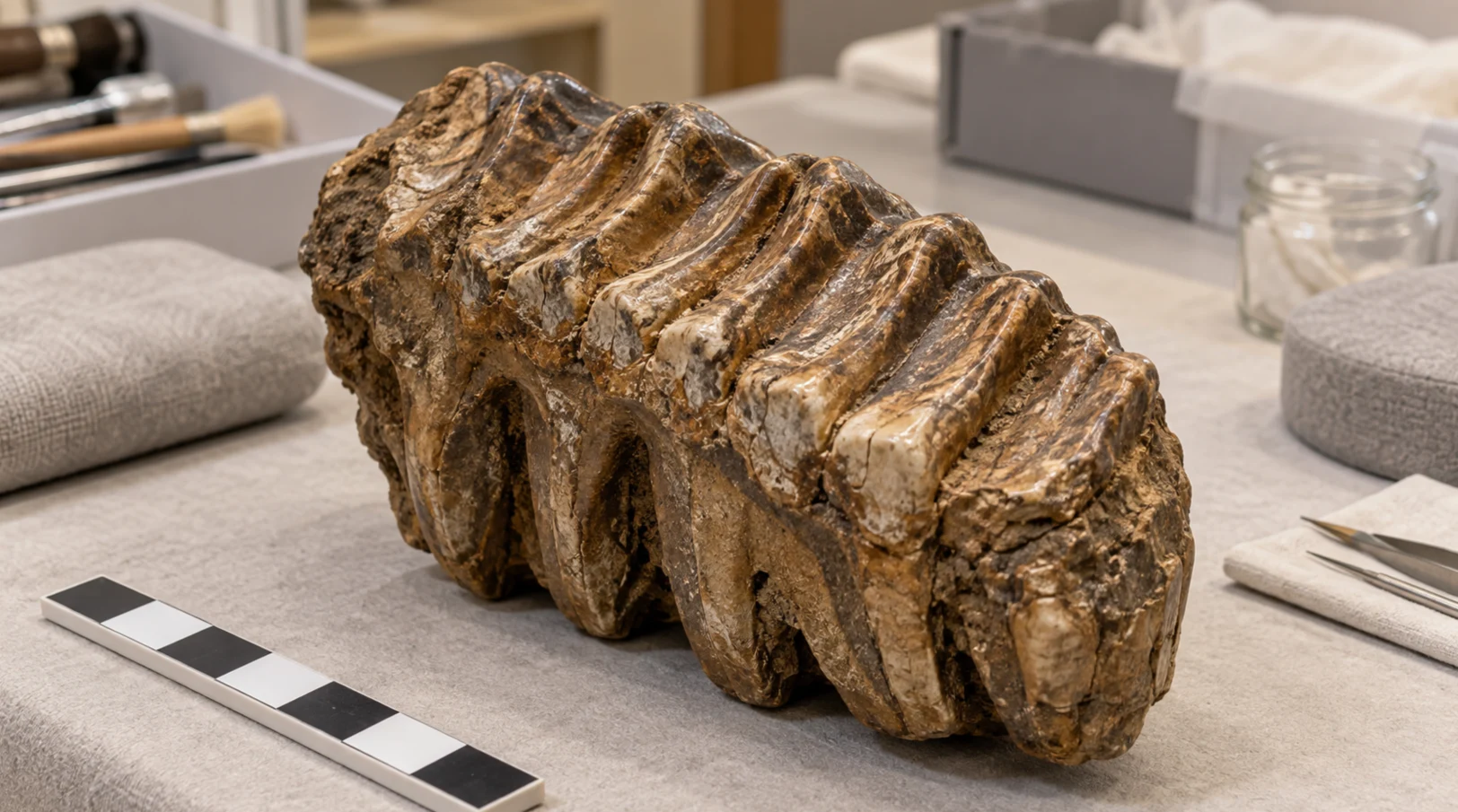
Its exact age is not established in the cited reports. The fossil is described as at least 10,000 years old, with carbon dating planned to determine its age more precisely.

No. Neptune remains too faint for unaided viewing. NASA says binoculars or a telescope are needed to spot it near the Harvest Moon on September 26, 2026.
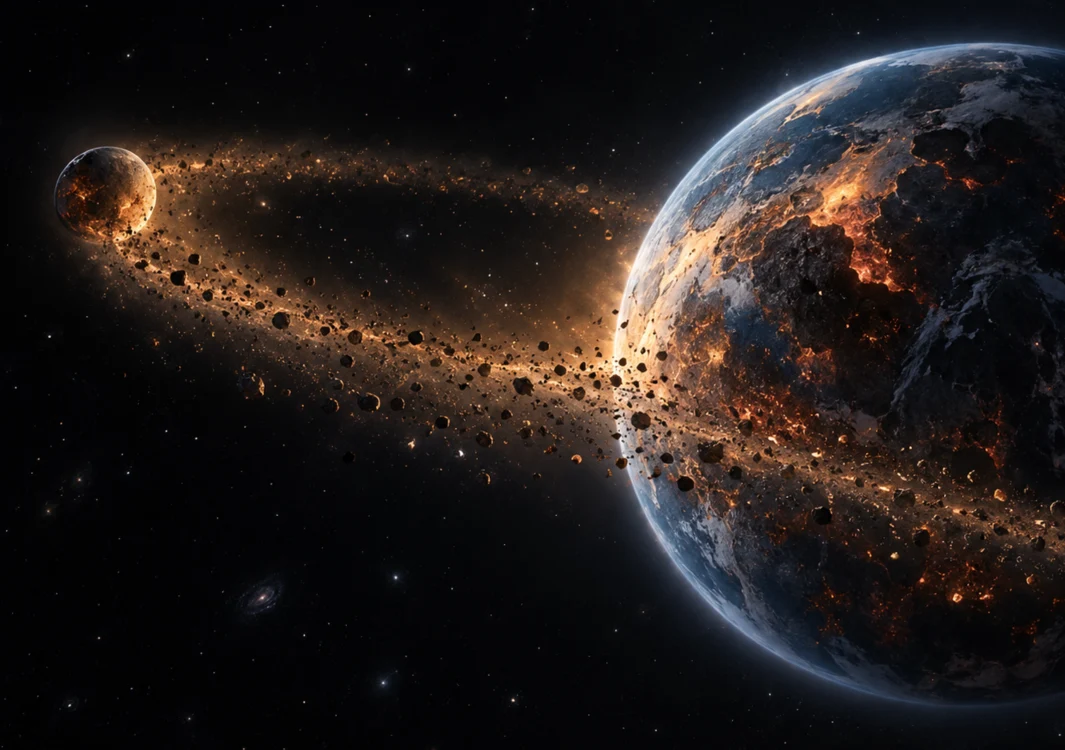
No. Five hours is a possible outcome under particular simulated conditions, not a confirmed measurement of how long the Moon actually took to form.