A frequency band is different from a cellular generation
TP-Link
TP-Link distinguishes the 5 GHz Wi-Fi band from fifth-generation cellular service.
Based on: TP-Link

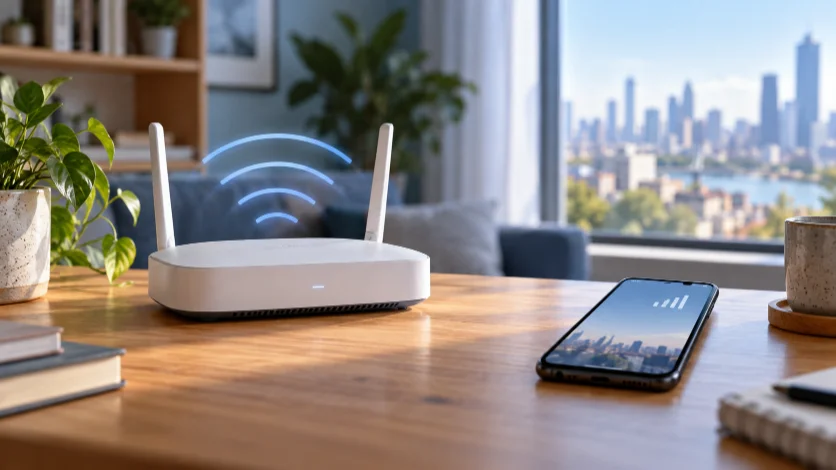
No. In Wi-Fi, 5 GHz identifies a radio frequency band. In mobile service, 5G means fifth-generation cellular technology. The similar names do not make them the same connection.
TP-Link explicitly distinguishes the two terms. Telstra provides a practical example of the naming confusion: its modem documentation says a separate 5 GHz Wi-Fi network can have '5G' appended to its name.
Both technologies can be used in one setup. A 5G home gateway can receive internet service through a cellular network and distribute that connection locally over Wi-Fi. A Wi-Fi network name alone does not establish which internet service feeds it.
5 GHz describes a Wi-Fi band; 5G describes a cellular generation. Check the connection type, not just the similar-looking label.
TP-Link
TP-Link distinguishes the 5 GHz Wi-Fi band from fifth-generation cellular service.
Based on: TP-Link
Telstra
Telstra documents appending '5G' to the name of a separate 5 GHz Wi-Fi network, illustrating why the label can be confusing.
Based on: Telstra
TP-Link
A 5G home gateway can obtain internet service over cellular and create a local Wi-Fi network.
Based on: TP-Link
Was this check helpful?
Sign in required
Sign in required

No. A ceiling fan circulates air and can make occupants feel cooler, but it does not lower the room's air temperature on its own.
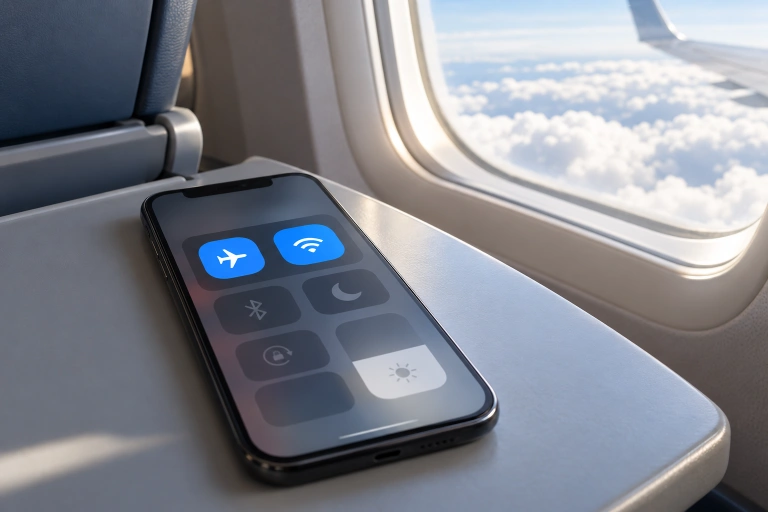
Yes. Supported iPhones and Android phones can use Wi-Fi while airplane mode stays on. You may need to turn Wi-Fi back on; during a flight, follow the airline's instructions.
Yes. Recompressing a JPEG can discard more image data and introduce artifacts. The effect depends on the compression settings and encoder.